
As energy costs continue to rise and environmental concerns grow, more homeowners are looking for ways to reduce their carbon footprint and lower their energy bills. Fortunately, achieving energy efficiency at home doesn’t require drastic changes or expensive renovations. With a few simple adjustments and smart choices, you can make a significant impact on your energy use, reduce your expenses, and contribute to a more sustainable future.
Here are some easy ways to boost energy efficiency in your home and start living more power-smart.
1. Seal Windows and Doors
A major contributor to energy loss in homes is air leakage around windows and doors. Even the smallest gaps can create drafts, forcing your heating and cooling systems to work harder to maintain a comfortable temperature. Sealing these leaks is a simple yet effective way to boost energy efficiency.
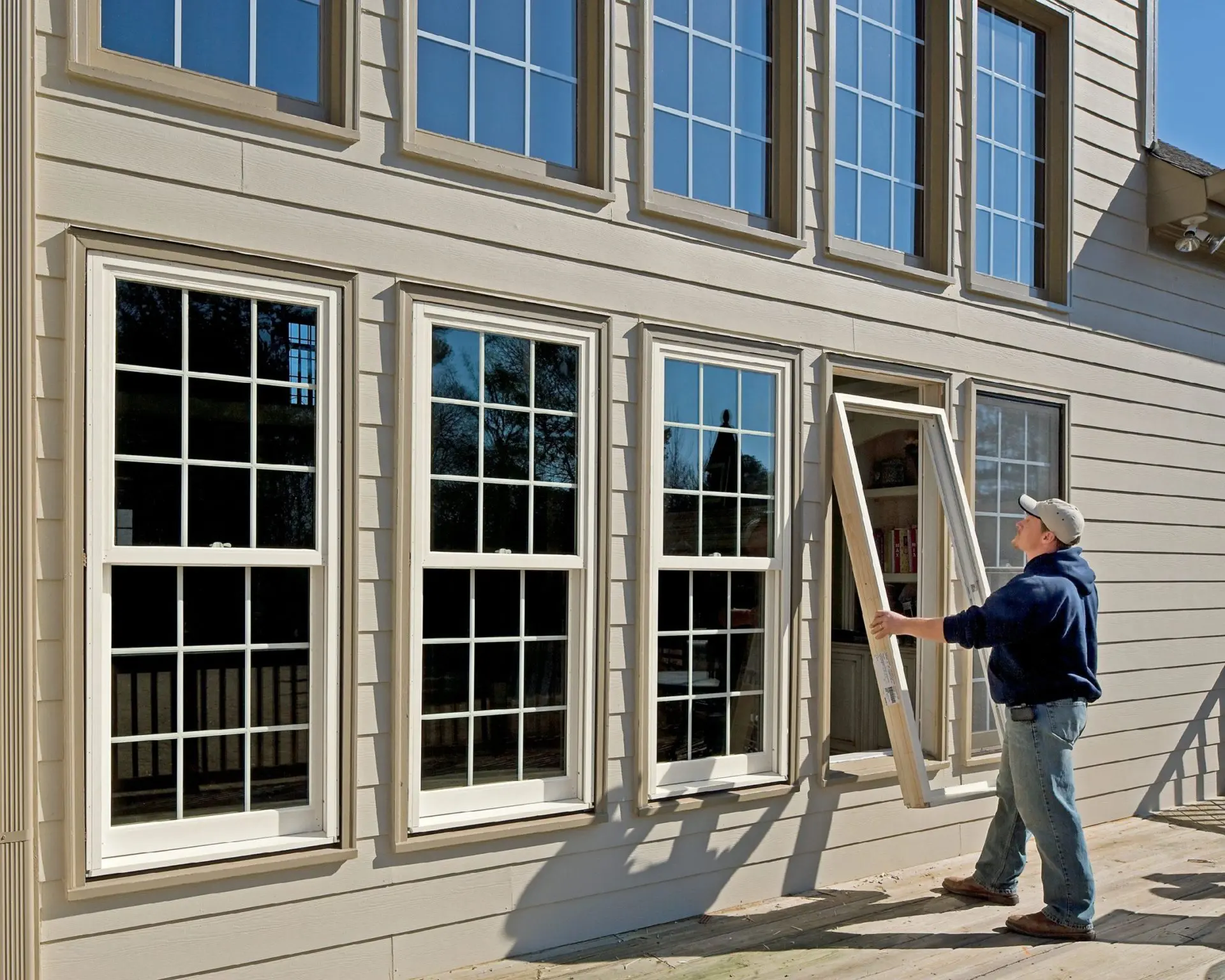
Start by inspecting your windows and doors for visible cracks or gaps. You can seal these using weatherstripping or caulking. For larger gaps, door sweeps or foam insulation around window edges may be necessary. If your windows are older or the gaps are significant, consider window replacement in Logan, Utah, to improve insulation and prevent heat from escaping during the winter or entering during the summer. This investment will pay off in reduced energy consumption and a more comfortable home year-round.
2. Switch to Energy-Efficient Lighting
Lighting is one of the easiest areas to improve in terms of energy efficiency. Traditional incandescent bulbs use more energy and burn out more quickly than their modern alternatives. Switching to LED (Light Emitting Diode) or CFL (Compact Fluorescent Lamp) bulbs can reduce your lighting energy consumption by up to 75% or more.
LED bulbs are especially efficient, offering long lifespans and excellent light quality. They are a bit more expensive upfront, but the long-term savings on energy bills make them a wise investment. You can also install motion sensors or timers in rooms that aren’t used often to ensure lights are only on when needed.
3. Upgrade Your Insulation
Proper insulation is essential for maintaining a comfortable home and reducing energy use. Poor insulation can lead to heat loss in the winter and heat gain in the summer, forcing your HVAC system to work overtime to keep temperatures stable.
Consider adding insulation to your attic, walls, and floors to improve your home’s thermal performance. You can also insulate pipes, ducts, and water heaters to prevent heat loss and improve efficiency. Adding insulation may seem like a bigger project, but the energy savings over time will make it worthwhile.
4. Maintain Your HVAC System
Your heating, ventilation, and air conditioning (HVAC) system plays a major role in your home’s energy use. To ensure it’s operating efficiently, regular maintenance is essential. Schedule annual inspections and cleanings for your HVAC system to ensure that it’s working at peak performance.
Additionally, replace your air filters every 1-3 months. Clogged filters can reduce airflow, making your HVAC system work harder and consume more energy. Another simple tip is to use a programmable thermostat to regulate your heating and cooling. You can set it to automatically adjust the temperature when you’re away or asleep, saving energy without sacrificing comfort.
5. Embrace Smart Appliances and Devices
In the era of smart technology, there are plenty of appliances and devices designed to help you reduce energy consumption without sacrificing convenience. Smart thermostats, for example, learn your schedule and adjust the temperature based on your preferences and habits. They can also be controlled remotely, so you can manage energy use even when you’re not home.
Other smart devices, such as energy-efficient refrigerators, washing machines, and dishwashers, are designed to use less energy while maintaining performance. When purchasing new appliances, look for the ENERGY STAR label, which indicates that the product meets high energy efficiency standards.
6. Use Energy-Efficient Appliances
Speaking of appliances, the ones you choose to run in your home can significantly impact your energy consumption. Many older appliances are energy hogs, while modern ones are designed to be more efficient. Upgrading to energy-efficient versions of common household appliances—such as refrigerators, ovens, and washing machines—can save you money in the long run.
Look for appliances that have an ENERGY STAR rating, as these have been tested to meet strict energy efficiency guidelines. Additionally, using appliances like dishwashers and washing machines during off-peak hours can help reduce demand on the grid, further contributing to energy savings.
7. Consider Solar Energy
If you’re looking to make a more significant investment in energy efficiency, consider installing solar panels on your roof. Solar energy is a renewable and sustainable way to power your home, and while the upfront costs can be high, there are incentives, rebates, and tax credits available to make it more affordable.
Solar panels can help you reduce your reliance on the grid, lower your electricity bills, and even allow you to sell excess energy back to the utility company in some areas. With advancements in solar technology, it’s becoming more accessible and practical for homeowners to switch to solar power.
8. Conserve Water
Water conservation and energy efficiency go hand in hand. Heating water accounts for a significant portion of energy use in the home, so reducing water consumption can have a direct impact on your energy bills.
Install low-flow showerheads and faucets to reduce water usage without sacrificing water pressure. Additionally, consider upgrading your water heater to an energy-efficient model, such as a tankless water heater, which heats water on demand rather than constantly maintaining a reservoir of hot water.
In Conclusion
Improving energy efficiency in your home doesn’t require a complete overhaul. By making small, thoughtful changes, you can reduce your energy consumption, save money on utility bills, and make your home more comfortable and eco-friendly. Start with a few of these easy tips, and you’ll soon notice the positive impact of power-smart living.
Ready to get started? Take action today to boost your home’s energy efficiency and enjoy the benefits for years to come!
