
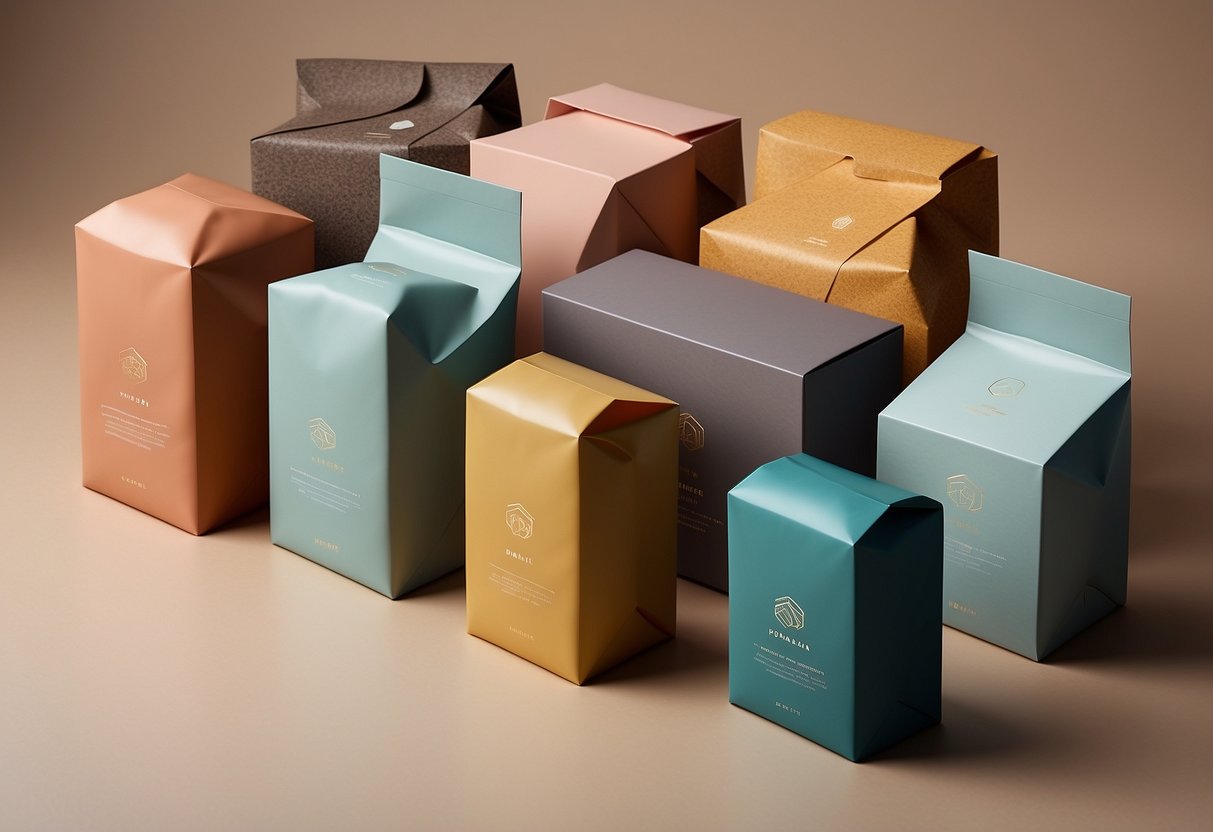
In recent years, minimalist design has gained significant traction in the world of packaging. Designers are increasingly moving away from elaborate, cluttered designs in favor of clean, simple aesthetics. But what’s driving this shift, and why are minimalist packaging styles becoming the preferred choice?
Let’s explore the rise of minimalist packaging, how it enhances brand identity, and why it’s proving to be a game-changer for businesses looking to make a lasting impact.
The Power of Simplicity
At its core, minimalist design is all about removing the unnecessary and focusing on the essentials. Packaging designs that embrace this approach often prioritize:
- Simplicity
- Clean lines
- Muted color palettes
This design philosophy isn’t just about aesthetics. It speaks to a deeper value: clarity and functionality. By stripping away excess, buy from here minimalist packaging allows the product itself to shine.
Emotional Connection Through Subtlety
Minimalism isn’t just about the lack of elements; it’s about creating a strong emotional connection with consumers through subtle design cues. The use of white space, limited text, and understated branding can evoke feelings of calmness, purity, and sophistication.
For example, a brand that uses minimalist packaging might aim to highlight its product’s premium quality or eco-conscious nature. These values become more tangible through an unadorned design that communicates refinement.
The Trend of Sustainability and Eco-Friendliness
Another key driver behind the popularity of minimalist packaging is the growing demand for sustainability. As consumers become more environmentally conscious, they are gravitating toward brands that use simple, eco-friendly packaging materials.
Minimalist packaging often uses less material, which not only reduces production costs but also limits environmental impact. Brands that incorporate sustainable materials like biodegradable or recyclable options align perfectly with minimalist aesthetics, further enhancing their appeal.
A Sustainable Future for Packaging
Brands that offer products like nut snacks or supplements can benefit from minimalist designs by choosing packaging that’s both functional and eco-friendly. For instance, custom nut snack bags are often designed with minimal printing and simple materials, providing a clean look that’s sustainable without compromising on product protection.
Enhancing Brand Identity
Minimalism in packaging can serve as a powerful tool to communicate a brand’s identity. The less you rely on flashy graphics and excessive text, the more your design reflects core values like clarity, authenticity, and premium quality.
Streamlined Design for Clear Messaging
With minimalist packaging, brands can reduce visual noise and direct attention to what matters most: the product. Whether it’s a premium skincare line or a health supplement, the product’s quality becomes the focal point of the packaging.
This clarity creates a sense of trust with consumers. Instead of overwhelming shoppers with excessive information, minimalist design delivers a clean and confident message. It speaks volumes with fewer elements.
Ideal for Niche Markets
For niche markets like edibles or supplements, where consumers tend to value purity and straightforwardness, minimalist design works perfectly. A design that’s too cluttered can detract from the premium feel of these products. A custom edibles pouch with simple, clean lines can help convey a sense of authenticity and best quality for health and enjoyment.
The Visual Impact of Negative Space
One of the defining features of minimalist packaging is the use of negative space. Rather than filling every inch of the packaging with images and text, designers leave certain areas intentionally blank to guide the viewer’s eye and create a sense of balance.
This strategic use of space not only makes a product appear more sophisticated but also helps to:
- Highlight the product’s uniqueness by focusing attention on key features.
- Create a calm visual experience that feels modern and approachable.
- Make it stand out on crowded shelves, as the simplicity helps it catch the eye amidst busier designs.
Minimalist packaging with well-placed negative space can be particularly effective in the health and wellness sector, where clean, uncluttered designs imply purity and trustworthiness.
Consumer Behavior and Preferences
Today’s consumers are bombarded with advertising and product choices from all angles. As a result, many are seeking brands that simplify their decision-making process. Minimalist packaging helps by reducing visual clutter and making it easier for consumers to focus on what truly matters: the product itself.
Less is More in Consumer Choice
Minimalist packaging also reflects the broader cultural trend of minimalism in lifestyle choices. Consumers are increasingly valuing simplicity, sustainability, and intentionality in their purchases. As more brands adopt this packaging style, it reinforces the idea that “less is more.”
This simplicity doesn’t only attract consumers—it helps retain them. A straightforward design evokes feelings of confidence and trust, which translates into higher customer loyalty.
Cost Efficiency and Practical Benefits
While the allure of minimalist design is primarily aesthetic, there are practical benefits too. Using fewer design elements often reduces production costs, from printing to materials. This makes it a great option for small businesses looking to scale their packaging without increasing expenses significantly.
Streamlined Production
By focusing on key design elements and using less ink and fewer colors, production becomes faster and more cost-effective. This can also reduce waste, both in terms of excess materials and unsold inventory, as minimalist designs are often more timeless.
For businesses in fast-moving sectors like snacks, supplements, and edibles, supplement pouches or similarly designed products allow for more efficient production and packaging without compromising on style.
The Future of Packaging Design
As consumers continue to demand more sustainable, clear, and visually appealing packaging, minimalist designs are likely to remain in the spotlight.
Brands that leverage minimalist aesthetics will stand out not only in terms of product presentation but also in aligning with consumer values.
A Shift Toward Timeless Design
The beauty of minimalist packaging lies in its timeless nature. Unlike trend-driven designs, minimalist aesthetics can evolve without losing relevance.
Brands can continue to refine their designs while keeping a sense of consistency and clarity.
Conclusion
The shift toward minimalist packaging aesthetics isn’t just a passing trend—it’s a reflection of deeper shifts in consumer preferences and industry standards. By prioritizing simplicity, sustainability, and clear brand messaging, minimalist packaging provides a powerful way to differentiate products in the marketplace.
As designers continue to embrace minimalism, brands that adopt these principles are likely to stand out for their clarity, sophistication, and environmental responsibility. Whether you’re selling nut snacks, supplements, or other products, minimalist packaging could be the key to building a strong, lasting connection with consumers.
